Just 20 kilometers from downtown Merida lies one of Yucatan’s most fascinating treasures: Dzibilchaltun, an ancient Mayan city that blends archaeology, nature, and spirituality in a single breathtaking site.
The name Dzibilchaltun means “Place where there is writing on the stones,” in reference to the many stelae found here—stone monuments carved with inscriptions that tell part of the region’s long history. At its peak, this city was home to around 20,000 inhabitants.
The Temple of the Seven Dolls: A Calendar of Stone and Light
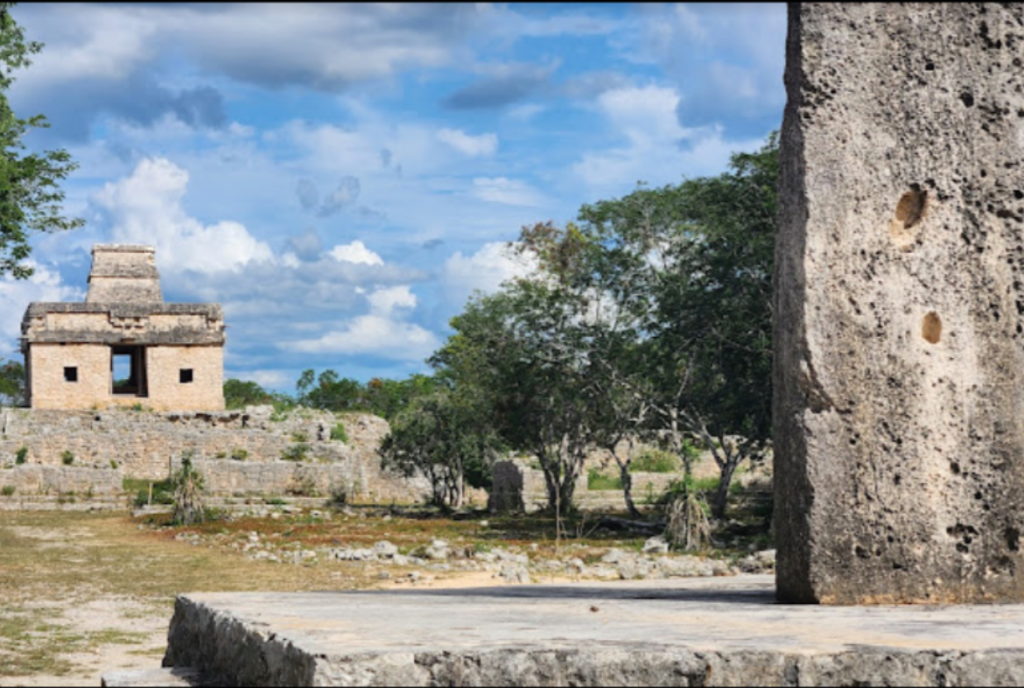
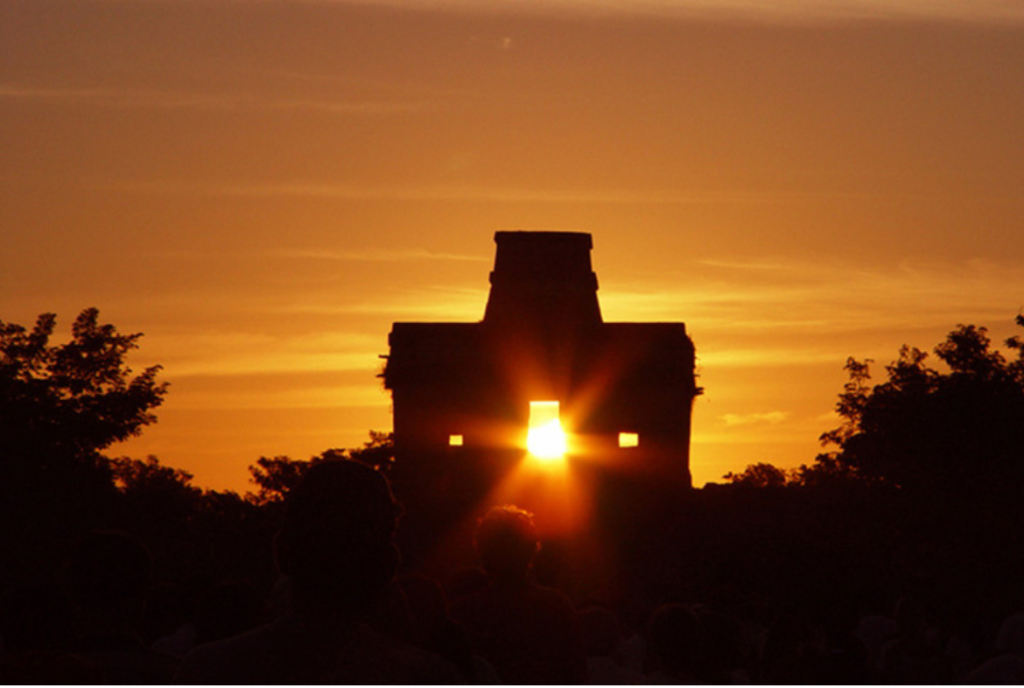
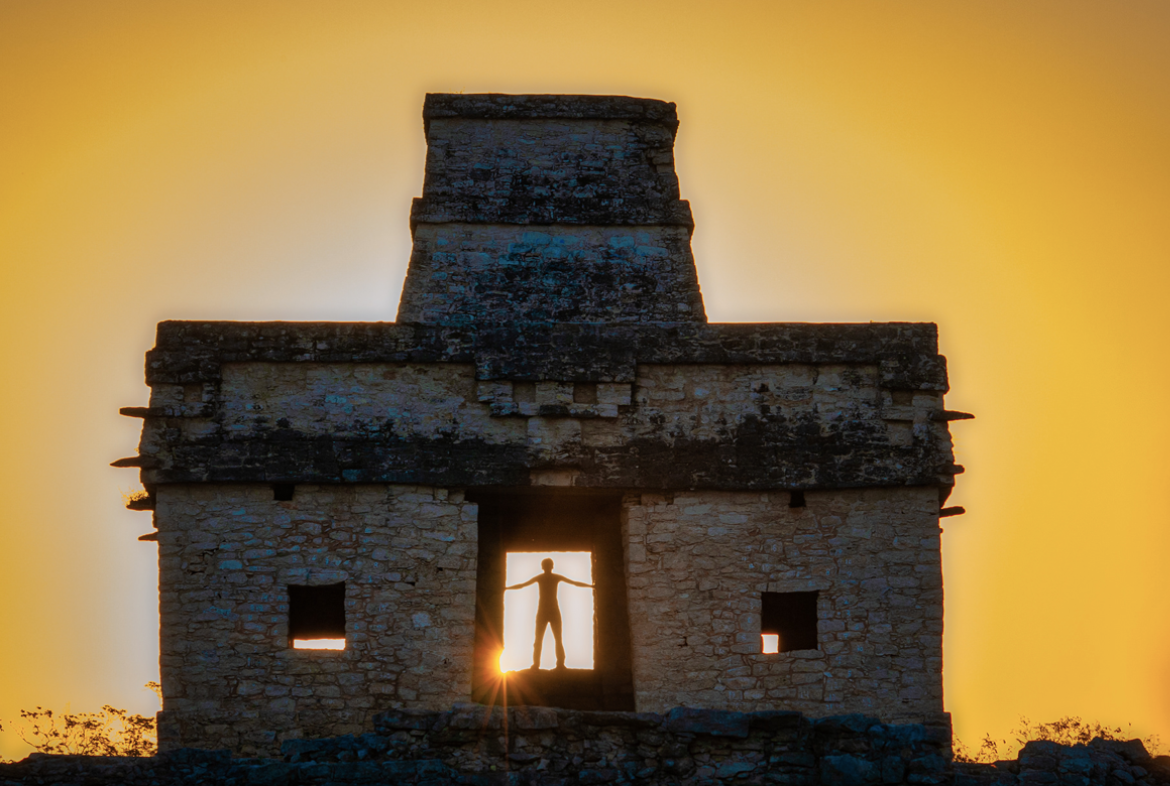
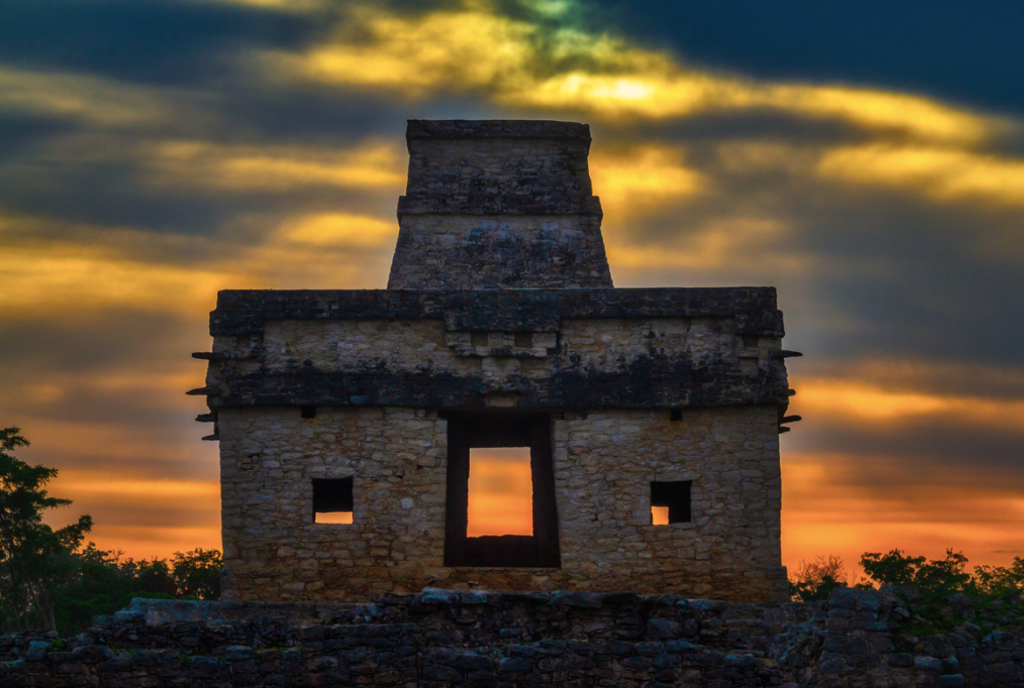
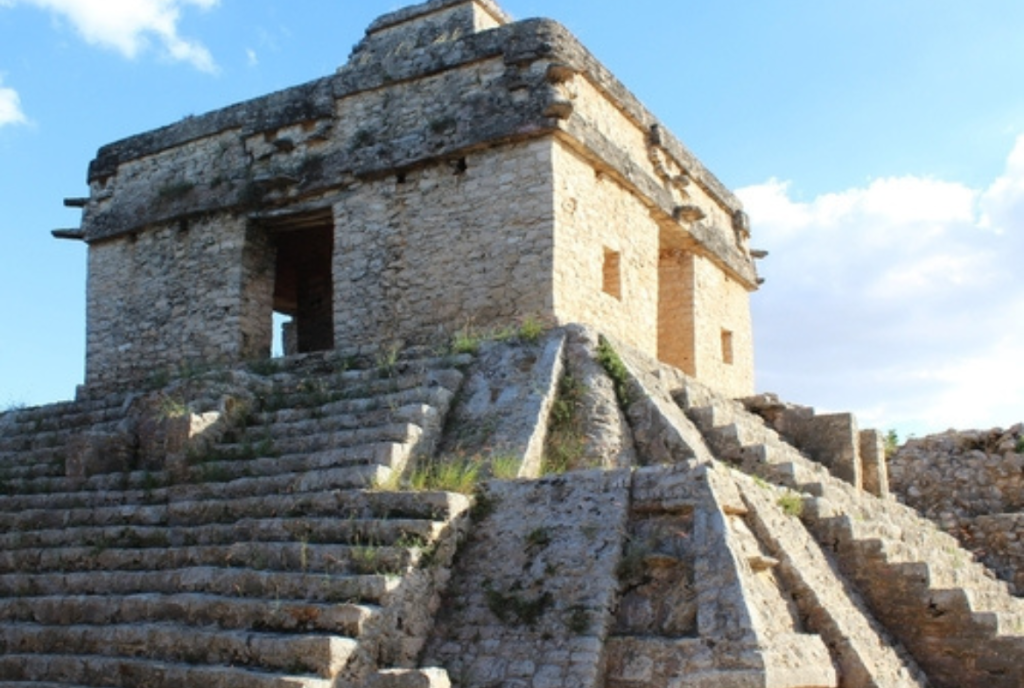
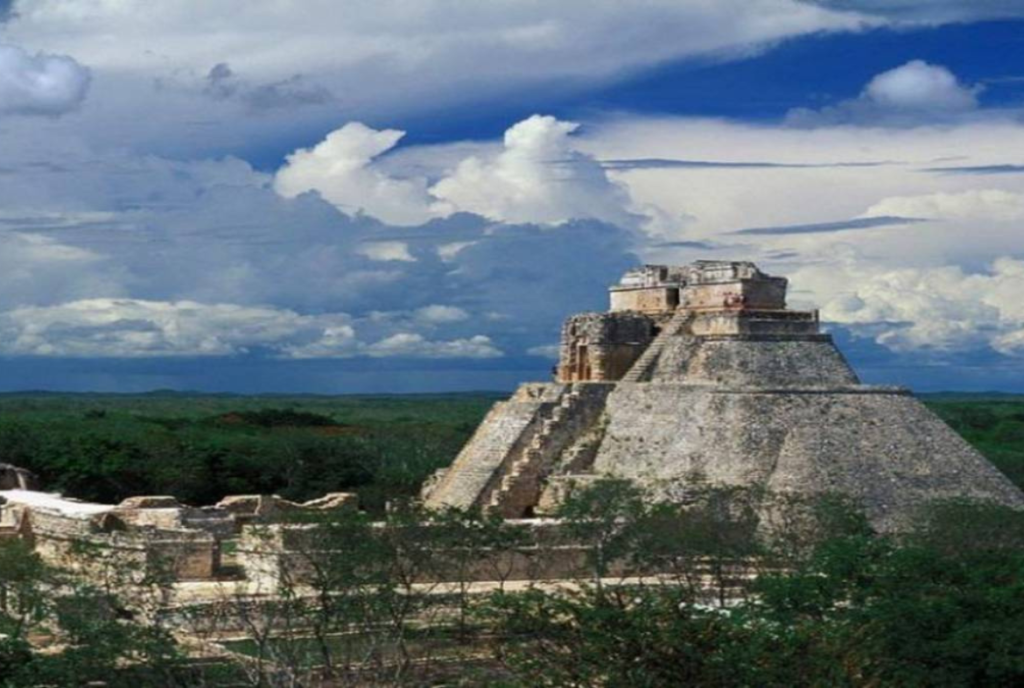
The site’s most iconic structure is the Temple of the Seven Dolls, named after seven human-shaped ceramic figurines discovered beneath its floor. Every year during the spring and autumn equinoxes, visitors gather at dawn to witness a spectacular event: the sun rises in perfect alignment with the temple’s main doorway, bathing it in golden light. This phenomenon is a stunning testament to the astronomical knowledge of the ancient Maya.
The Sacbes: White Roads to the Past
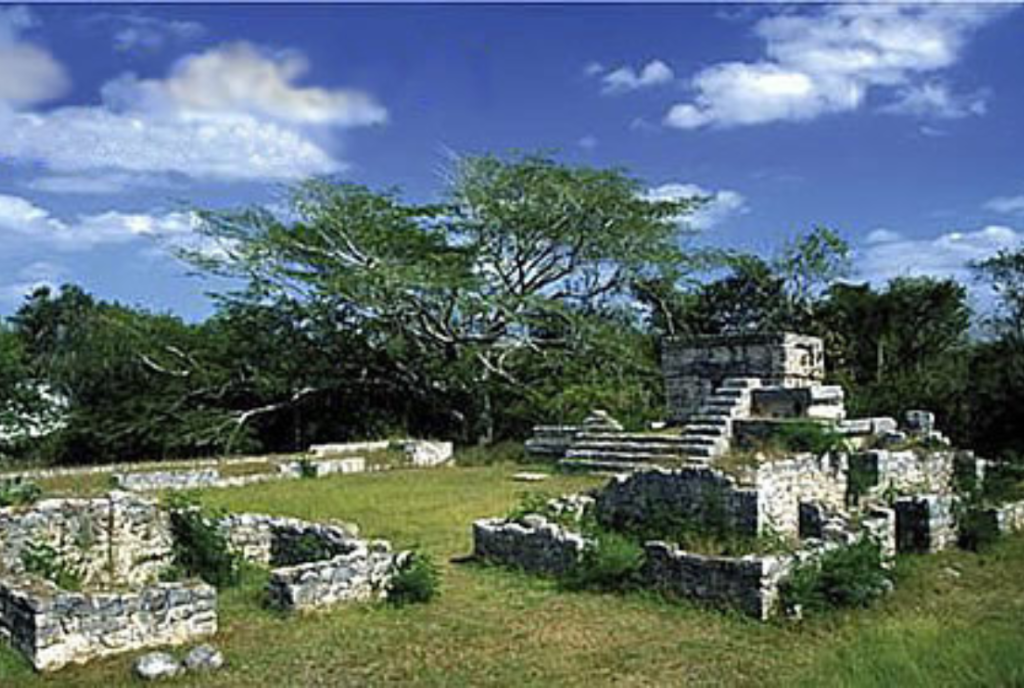
One of Dzibilchaltun’s most remarkable features is its network of sacbes, or white roads. At least twelve of these ancient stone paths remain, most radiating from the center toward surrounding structures. Built with limestone and covered in white dust, the sacbes served not only as physical roads but also had symbolic and ceremonial significance. One of them leads straight to the site’s sacred heart: the Xlacah cenote.
Cenote Xlacah: A Sacred Mirror
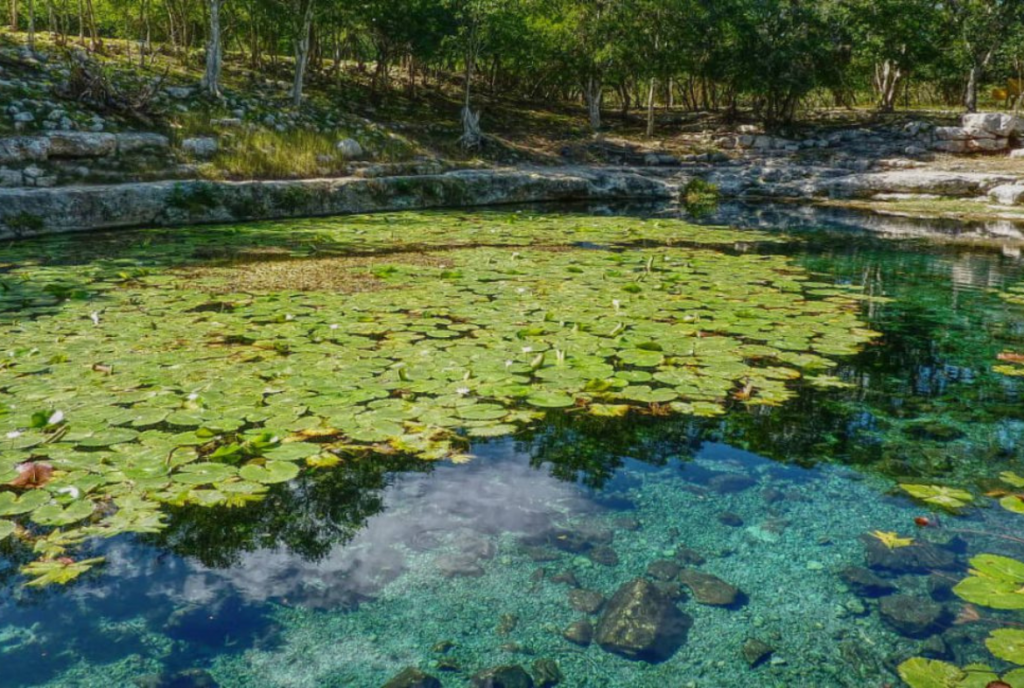
Facing the central plaza lies Cenote Xlacah, which means “old village” in the Mayan language. This natural freshwater pool was both a vital water source and a sacred space for rituals. Archaeologists have recovered ancient pottery and ritual objects from its depths. Today, its clear waters, often adorned with floating water lilies, offer a peaceful and reflective experience.
Museum of the Mayan People: A Journey Through Time
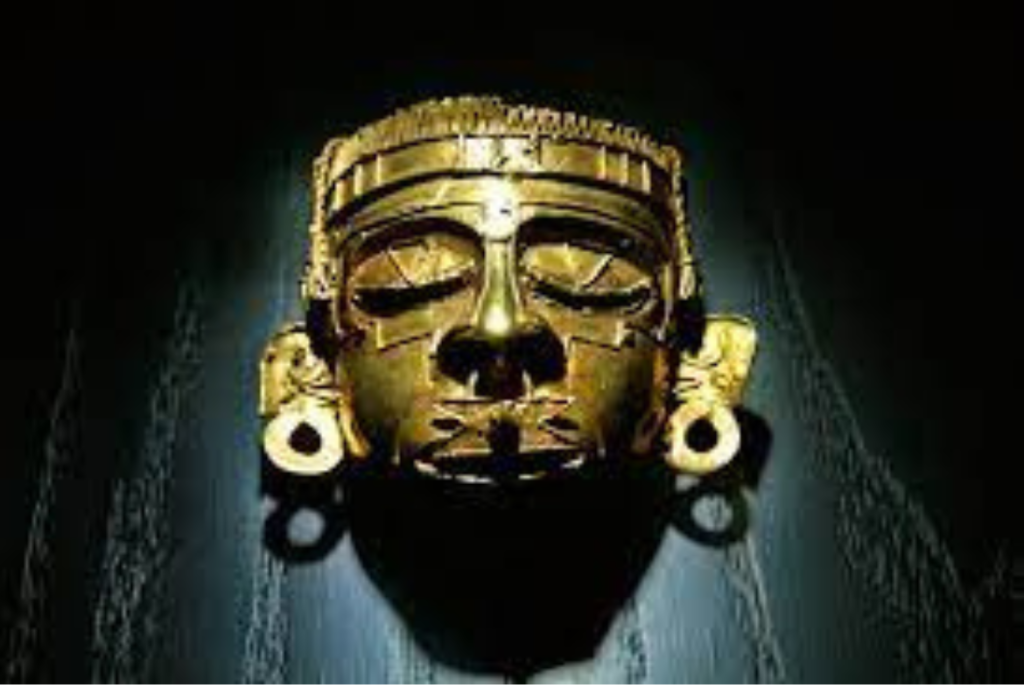
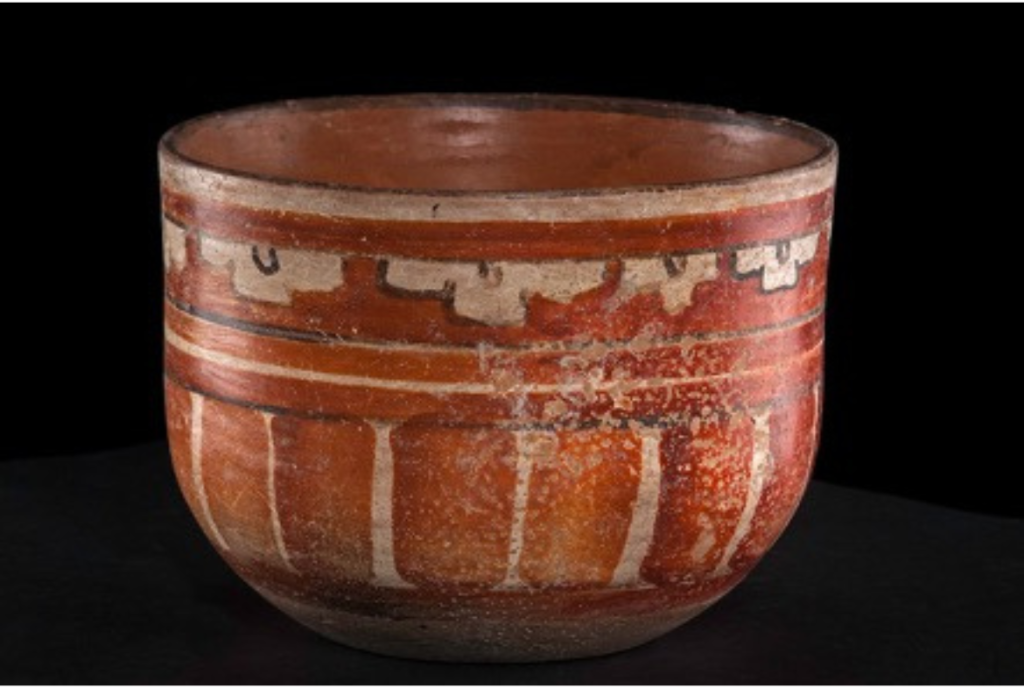
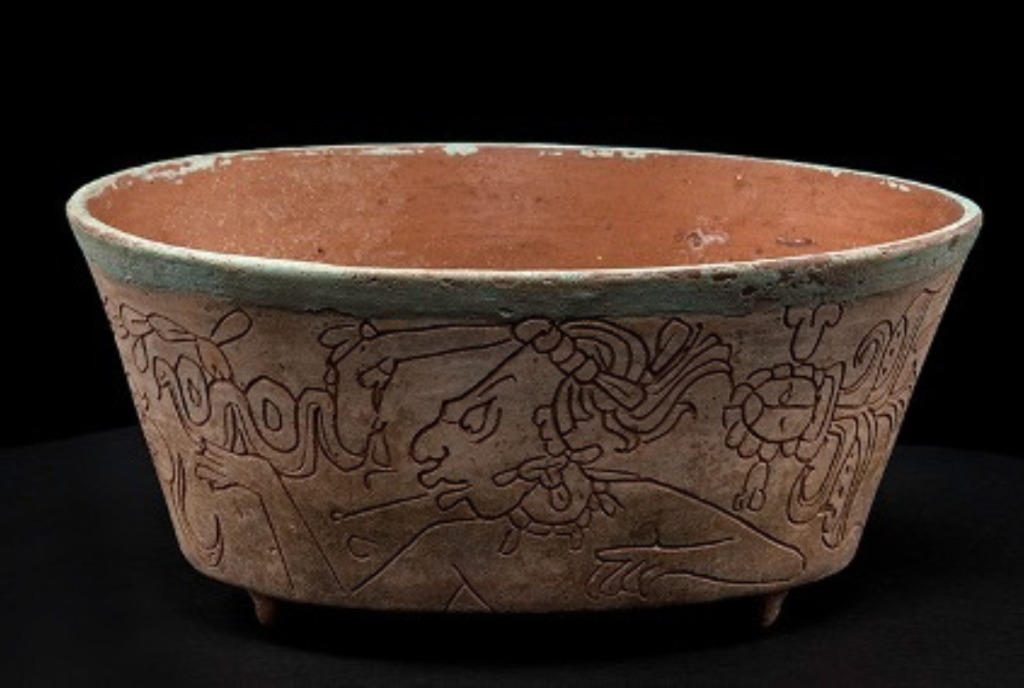
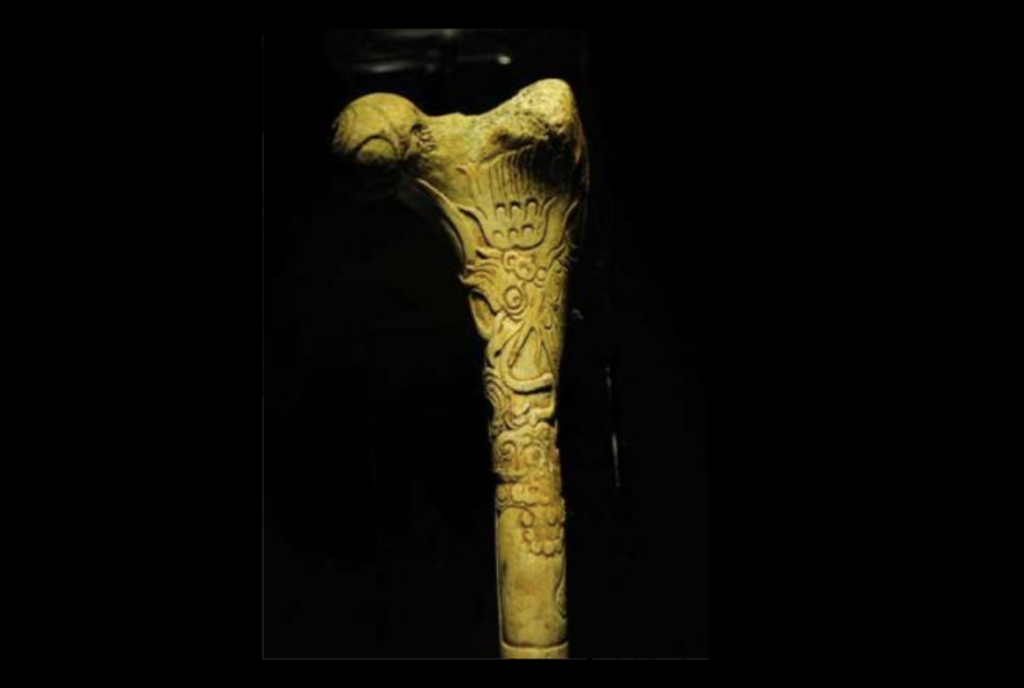
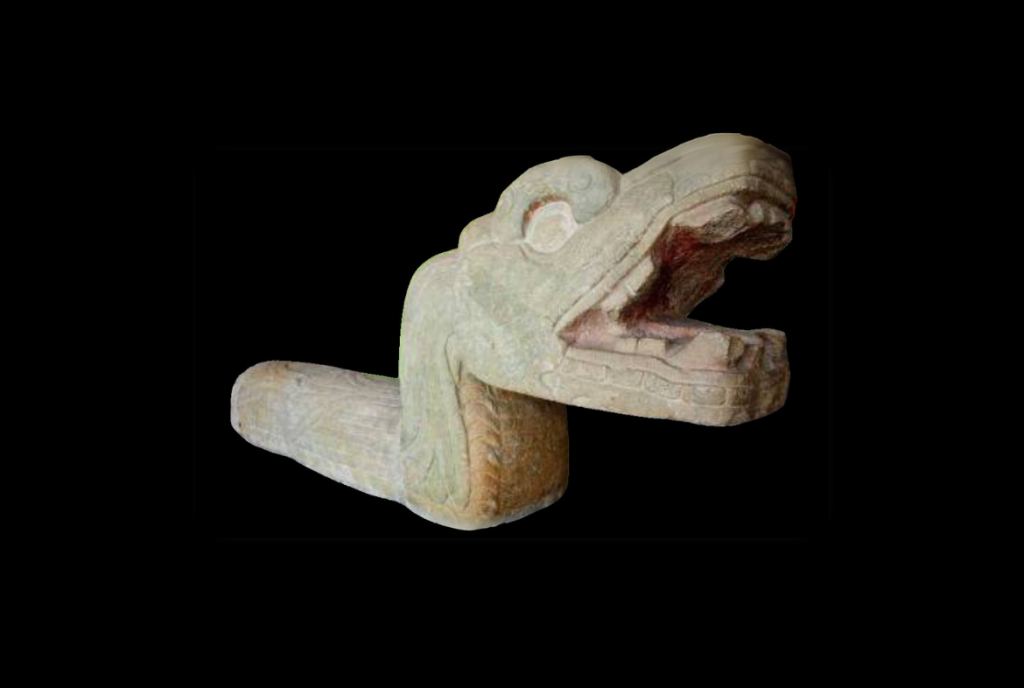
Completing the visit is the Museum of the Mayan People, which showcases around 700 archaeological artifacts. From stelae and sculptures to ceramics and tools, the museum presents a broad view of 3,000 years of Mayan cultural development. Divided into four exhibition halls, it offers a deep and dynamic connection to the past and to living Mayan traditions.