1. What are the best areas to live in Merida?
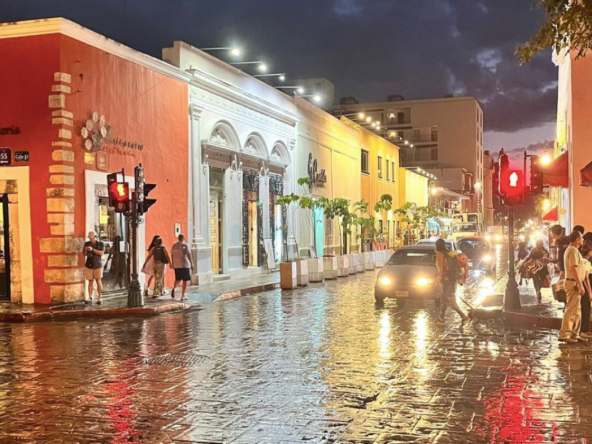
Unlike other major cities like Mexico City, Merida’s most exclusive neighborhoods are located in the northern part of the city. Areas such as Benito Juarez Norte, San Ramon Norte, Montebello, Altabrisa, and surrounding residential developments in Cholul, Conkal, Dzitya, Santa Gertrudis Copo, and Temozón Norte are among the top choices for quality living. The area surrounding the prestigious Yucatán Country Club is also highly sought after. Before choosing a location, it’s important to define your preferred type of property (gated community, single-family home, etc.) and your budget. Our advisors can help guide you through this process.
2. What schools do you recommend in Merida?
Merida offers a wide variety of educational institutions, from traditional schools to bilingual and Montessori-style models. Some of the most popular schools for preschool, primary, and secondary education include Madison, Smartium, Piaget, Montessori Group, Arrayanes, and Comunidad Educativa Loyola. For higher education, top universities include UADY (Autonomous University of Yucatan), Marista University, Anahuac Mayab University, and the Universidad del Valle de Mexico (UVM).
3. What are the most reputable hospitals in Merida?
Merida has seen significant growth in healthcare infrastructure. Leading hospitals such as Star Medica, Centro Medico de las Americas, El Faro del Mayab, and Clinica Merida attract patients from across the country for their high-quality services. Additionally, specialized medical clinics and offices equipped with cutting-edge technology are becoming increasingly common.
4. What is the best way to get around the city?
The most convenient way to get around without your own vehicle is via Uber, taxis, or other private transportation services, which are affordable and widely available. Merida also offers a modern and efficient public transportation system, including the “Va y Ven” and the IE-TRAM (a 100% electric route). These buses are equipped with air conditioning, wheelchair access, and bike racks. They also connect with the Maya Train station, offering access to other parts of the Yucatán Peninsula.
5. What kind of cultural activities are available in Merida?
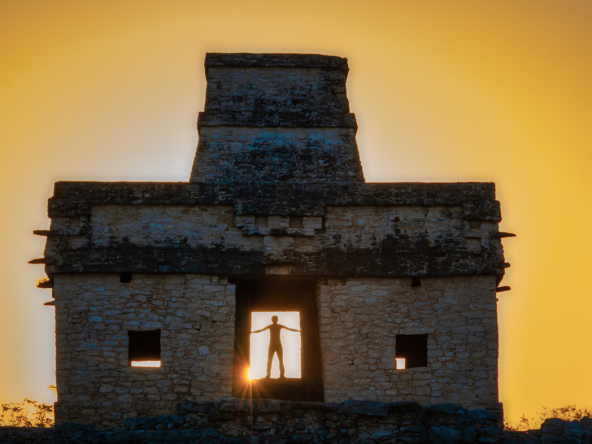
Merida is becoming a cultural hub thanks to its strong support for the arts. The city features numerous theaters and cultural venues such as the Merida Theater, Peon Contreras Theater, Olimpo Cultural Center, and the Great Museum of the Maya World, all offering a wide range of artistic and recreational activities for the whole family. Merida also hosts international events, thanks to its safety, hospitality, and vibrant cultural scene. The Palacio de la Musica hosts concerts featuring the Yucatan Symphony Orchestra and internationally renowned guest performers. In addition, on the outskirts of the city there are various options to visit archaeological sites with a historical legacy of the Mayan culture, such as Uxmal, Chichen Itza, Dzibilchaltun and much more.
6. How easy is it to start a business in Merida?
Merida is the second city in Mexico with the highest number of new business openings. The city’s rapid growth creates a demand for innovative services and products. From hospitality and entertainment to manufacturing, Merida offers real investment opportunities. Thanks to the new Municipal Fast-Track Business Opening System, legal procedures can now be completed in just a few hours.
7. What’s the first step to investing in Merida
Before viewing properties, it’s essential to define your investment goal—whether you’re buying to live, as a vacation home, or purely for investment. Based on your objective, we’ll help identify the best options in terms of location, property size, amenities, and potential value appreciation. This will make your visits more efficient and help you focus only on properties that truly fit your needs.
8. Can a foreigner purchase property in Merida?
Yes, although Merida is within a “restricted zone” where direct ownership by foreigners is not allowed, the law permits foreign buyers to acquire property through a bank trust (fideicomiso). In this legal structure, a Mexican bank holds the title on behalf of the foreign buyer, who retains full rights to use, rent, or sell the property. Many European and North American citizens own property in Mérida using this method. At meridabienesraices.com.mx we’ll guide you through the process and help you choose a fiduciary or legal representative to manage the paperwork on your behalf.
9. What should I check before buying a property?
For built properties, even though many new homes come with a hidden defects warranty, it’s wise to check that light switches, faucets, air conditioners, and fans are all in working condition. Some builders do not offer any warranty, so it’s important to clarify this before signing a purchase agreement.
In the case of pre-construction sales, make sure you clearly understand what is and isn’t included in the final delivery to avoid surprises.
If you’re buying a residential lot in a condominium regime, ensure the sales contract specifies all services, infrastructure, and amenities the developer is obligated to deliver.
10. What happens if the property has hidden defects?
The builder should provide a hidden defects warranty. If any construction issues arise after delivery, they must be addressed by the developer at no cost. Be cautious with developers who do not offer any warranty at the time of signing the purchase agreement.
11. How much does it cost to buy a property through your agency?
Our advisory and support services are completely free for buyers.
12. What legal fees should I expect to pay?
Buyers are responsible for notarial fees, which include: property acquisition tax, registration fees, appraisal costs, certificates, and notary fees. These expenses typically amount to about 5% of the registered property price.
For foreign buyers, the cost of setting up a bank trust (fideicomiso) is an additional expense.